
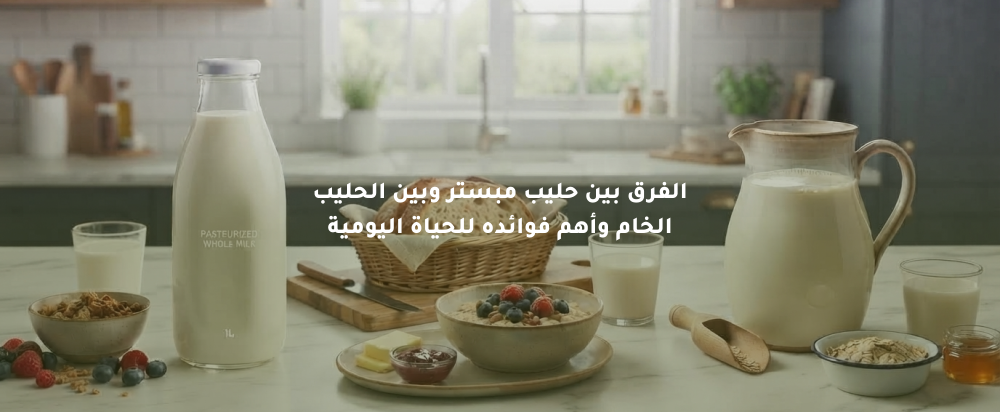
Pasteurized milk is one of the most commonly used types of milk in daily life, especially among families seeking a product that combines nutritional value, ease of use, and a good level of food safety. With so many types of milk available, such as raw milk, UHT milk, and powdered milk, it can be difficult for consumers to understand the key differences between them and choose the right type.
The importance of understanding the difference between pasteurized milk and raw milk lies in knowing how each type is processed, and the extent to which this processing affects shelf life, taste, storage methods, and daily use.
In this guide, we learn about the concept of pasteurized milk, the most prominent differences between it and raw and sterilized milk, in addition to answering the most common questions about its consumption.
What is pasteurized milk?
Pasteurized milk is milk that is heated to a specific temperature for a calculated period of time, and then rapidly cooled in order to reduce the number of harmful microorganisms that may be present in the milk.
Pasteurization does not aim to completely change the nature of milk, but rather to make it safer for consumption while preserving a large proportion of its nutritional properties and taste.
Pasteurized milk is usually kept at low temperatures inside the refrigerator, and the expiry date and storage instructions on the package must be followed.
Pasteurized milk and raw milk: What is the difference between them?
Raw milk is milk that has not undergone a pasteurization process after being obtained from the animal, while pasteurized milk goes through a heat treatment stage that helps to reduce the presence of some harmful bacteria and microorganisms.
One of the most notable differences between them is:
Treatment method
Raw milk is not pasteurized, while pasteurized milk is heated to specific temperatures and then rapidly cooled.
Food security
Pasteurization helps reduce the risk of disease associated with certain types of bacteria that may be found in raw milk.
Storage period
Pasteurized milk usually has a better shelf life than raw milk when proper refrigeration conditions are maintained.
Taste and texture
While some may prefer the taste of raw milk, pasteurized milk remains a more widespread option due to its ease of storage, use, and food safety.
What are the benefits of pasteurized milk in daily life?
Pasteurized milk contains a range of essential nutrients that make it suitable for daily use within a balanced diet.
Among its most prominent benefits:
- A good source of calcium, which is important for healthy bones and teeth.
- It contains protein which helps in building body tissues.
- It provides the body with energy according to the percentage of fat it contains.
- It can be used in breakfasts, drinks, and various recipes.
- It is easier to use and store compared to raw milk.
Pasteurized milk can also be used in the preparation of coffee, desserts, baked goods and sauces, making it a staple product in many homes.
Does pasteurized milk raise cholesterol levels?
The cholesterol content of pasteurized milk is not related to the pasteurization process itself, but depends more on the fat content of the type of milk.
Whole milk contains a higher amount of saturated fat compared to low-fat or skimmed milk.
Therefore, if a person needs to reduce their consumption of saturated fats for health reasons, it may be best to choose low-fat or skimmed milk according to the recommendations of a doctor or nutritionist.
This does not mean that pasteurized milk should be avoided in general, but rather that the appropriate type should be chosen within the daily diet.
What is pasteurized milk that is permitted for sale?
The term "marketing authorization" usually refers to the fact that the food product has been manufactured and offered in accordance with the requirements and regulations in force at the competent regulatory authorities.
As for pasteurized milk, this usually means that it has gone through production, packaging and storage stages that are subject to safety and quality requirements before it is offered to the consumer.
It is always best to buy milk from reliable sources, making sure of the integrity of the packaging, the production and expiry date, and the storage conditions.
What does pasteurized milk and dairy products authorized for human consumption include?
Pasteurized dairy products include a wide range of products that are manufactured using heat-treated milk.
This may include:
- Pasteurized liquid milk.
- Some types of yogurt.
- Some types of cheese.
- Cream and cream products.
- Some drinks are made from milk.
- Other dairy products depending on the manufacturing method.
The processing method varies depending on the product, so it is important to read the information on the packaging to find out the type of processing and the appropriate storage method.
Is pasteurized milk safe for pregnant women?
Pasteurized milk is a safer option for pregnant women compared to raw milk, because the pasteurization process helps reduce some types of harmful bacteria that may pose a greater risk during pregnancy.
Therefore, it is generally advised to avoid unpasteurized milk and dairy products made from it during pregnancy unless they meet clear safety standards.
Pregnant women can also benefit from the nutrients found in pasteurized milk , such as calcium and protein, while choosing the appropriate fat content according to their needs and the doctor's recommendations.
What is the difference between pasteurized milk and sterilized milk?
Pasteurized milk differs from sterilized milk in the temperature used during processing and in the resulting shelf life.
Pasteurized milk
It is heated at relatively lower temperatures for a specific period, then cooled rapidly. It usually needs to be refrigerated.
UHT milk
It undergoes stronger heat treatment that helps extend its shelf life before the package is opened.
Some types of sterilized milk may be kept at room temperature before opening, but once the package is opened, the storage instructions on it must be followed.
Each type has different uses, so the appropriate type can be chosen according to the storage duration and nature of use.
How to choose the best pasteurized milk?
When buying it, it is advisable to pay attention to a number of simple details that will help you get a good product.
Start by checking the production and expiry dates, and make sure the packaging is kept in the refrigerator for products that require refrigeration.
It is also preferable to check that the packaging is intact and that there is no swelling or leakage.
You should choose the fat content that suits your needs, whether it's whole milk, low-fat, or skimmed milk.
It is also important to buy dairy products from a reputable store or source that cares about the quality of the products and how they are stored before they reach the consumer.
How do you preserve pasteurized milk after purchase?
To maintain the quality of milk, it should be placed in the refrigerator immediately after purchase and not left at room temperature for a long time.
It is preferable to close the container tightly after each use, and not to drink directly from it to reduce the chances of contaminants being transferred to it.
The expiry date and manufacturer's instructions should also be followed, and the milk should be discarded if you notice a clear change in smell, taste, or texture.
Choose the right dairy products from Khayrat Laziza
Choosing pasteurized milk from a reliable source helps ensure you have a product suitable for everyday use that is easier to store and prepare. Understanding the difference between pasteurized, raw, and sterilized milk makes it easier to choose the type that best suits your needs and various uses.
Discover the dairy products and natural options available at Delicious selections ; choose products that suit your daily needs and the needs of your family.